Wednesday, May 6, 2009
Commencement Speech
Today we are graduating and I can't help going back to think about all of the memories that have been created over the last four years. I first came to high school not knowing what to expect because I had been home schooled for almost all of my life. Looking back I am amazed at how much I have grown and changed. From being so very quiet and shy little Marie, to a less quiet and not so afraid high school graduate. It amazes me how much God has done in my life over my high school experience. How he helped me be able to talk to people more and actually say something when I gave a presentation. I have done marching band all four years. I remember the first competition as a freshmen, being scared to death of playing in front of all those people, but by my last competition senior year, it was different. I was no longer afraid, but playing the loud piccolo with confidence. Now we are ready to leave and go onto new things and experiences. But we should always remember our friends and experiences ect. from here.

Monday, May 4, 2009
Forgotten
Tell what you noticed about the characters or people in this section. Try to analyze what made them act as they did or the decisions they made.
When the Vietcong started attacking Vietnam the life of Kien Nguyen changed forever. Because his mother was wealthy, everything would be taken away from them and because his father was an American, he would always be looked down upon for being a "half breed". When the Vietcong was close to their town, his mother was advised to flee their village, took them away to Saigon. Her problem was that she waited too long to get out of the country. She acted this way because, for one she didn't want to leave her parents behind and they refused to leave their country. She also didn't realize the severity of the situation, so they waited in Saigon and after a series of events watched the last plane, out of Vietnam, fall from the sky.
After the Vietcong took over Saigon, all people were forced to go back to their towns. People everywhere were scared into spying on their neighbors. Those who were once poor and who had become part of the cong party weaseled their way into the wealth of the capitalist families. Everyone was afraid and so they picked on this "half breed" child. During this time people were not able to be who they wanted to be.
Both Kien's mother and her servant, Loan, were pregnant with Lam's child (he was Vietnamese) and both of them tried to abort the child after Lam deserted them in Saigon. Because Loan's child was younger, she was able to abort it. Kien's mother, however, ended up giving birth to a mentally challenged child. She was desperate and sold everything that she had left to feed her children. She even secretly gave blood to get money for Kien's schooling, because he was a very smart child. In her desperate state, she would go into fits, scaring and hurting her children. She covered their heads with black dye and had their hair cut short to hide their blond curls.
After Lam's escape from Saigon failed, he came back to their family. Kein's mother did not want him back, but because he was the only male (minus the elderly father) their "leader" put him in their family. She wanted nothing to do with him and so he raped Kien to get relief. This made the boy scared to death of him and eventually the mother was able to pull it out of him. He wanted to leave them because he was miserable and she "helped" him out, but really she was able to get him arrested by using the fact that he raped her servant Loan, among other things.
Other events happened as well which made his life worse. I think that everyone acted the way that they did because either they were desperate and didn't trust anyone or they wanted to get money/power out of this "communist" community.
When the Vietcong started attacking Vietnam the life of Kien Nguyen changed forever. Because his mother was wealthy, everything would be taken away from them and because his father was an American, he would always be looked down upon for being a "half breed". When the Vietcong was close to their town, his mother was advised to flee their village, took them away to Saigon. Her problem was that she waited too long to get out of the country. She acted this way because, for one she didn't want to leave her parents behind and they refused to leave their country. She also didn't realize the severity of the situation, so they waited in Saigon and after a series of events watched the last plane, out of Vietnam, fall from the sky.
After the Vietcong took over Saigon, all people were forced to go back to their towns. People everywhere were scared into spying on their neighbors. Those who were once poor and who had become part of the cong party weaseled their way into the wealth of the capitalist families. Everyone was afraid and so they picked on this "half breed" child. During this time people were not able to be who they wanted to be.
Both Kien's mother and her servant, Loan, were pregnant with Lam's child (he was Vietnamese) and both of them tried to abort the child after Lam deserted them in Saigon. Because Loan's child was younger, she was able to abort it. Kien's mother, however, ended up giving birth to a mentally challenged child. She was desperate and sold everything that she had left to feed her children. She even secretly gave blood to get money for Kien's schooling, because he was a very smart child. In her desperate state, she would go into fits, scaring and hurting her children. She covered their heads with black dye and had their hair cut short to hide their blond curls.
After Lam's escape from Saigon failed, he came back to their family. Kein's mother did not want him back, but because he was the only male (minus the elderly father) their "leader" put him in their family. She wanted nothing to do with him and so he raped Kien to get relief. This made the boy scared to death of him and eventually the mother was able to pull it out of him. He wanted to leave them because he was miserable and she "helped" him out, but really she was able to get him arrested by using the fact that he raped her servant Loan, among other things.
Other events happened as well which made his life worse. I think that everyone acted the way that they did because either they were desperate and didn't trust anyone or they wanted to get money/power out of this "communist" community.
Wednesday, April 29, 2009
Amir and Atonement

I think that at this point in the book Amir wants atonement for what he let happen to Hassan. He does not see how they can be friends again, because he can not forgive himself. They used to go together and play or read under the trees, but now Amir avoids Hassan like the plague. I think that Hassan knows that Amir saw the whole thing and yet he still wants to be friends. If Amir would have asked for forgiveness and changed, he would have received atonement, in a way, because Hassan was willing to forgive him. He was a loyal friend, but Amir was a coward.
When Amir and Hassan go to the pomegranate tree one last time, Amir tries to get rid of his guilt by provoking Hassan to hit him back with the fruit. Hassan, however, just makes him feel worse by taking his hits.
Amir wants to tell someone what happened, but he doesn't have the courage and so he hides his guilt inside. I don't think he can "receive atonement" for what he did, until it is out in the open.
Atonement
ATONEMENT-
Atonement is sort of like paying for or making up for a past mistake/sin. Like for example Jesus was the atonement for our sins. There are things that we cannot take back, we made the mistake and we have to live for the consequences, but because of his atonement we ultimately still have forgiveness. You can do something wrong and not be able to change it, but you can always get the forgiveness. And in getting forgiveness from God, you do not need to atone for it, because he made the ultimate sacrifice. I think that in the book it is possible for Amir to gain forgiveness and atonement for his sins. He can never take back what he did, but I think that if he asked for forgiveness, he could make things right between him and Hassan.
Amir waits too long and never tells anyone. He can no longer hear words from Hassan that he is forgiven, but it is obvious that Hassan did forgive him because he tells his son that Amir was the best friend that he ever had. I think that when Amir takes in Hassan’s son as his own that he is atoning for his sins. He made a mistake and ruined his friendship between Hassan and himself, but now he is helping H’s son and having a relationship with him, like he wished he could have with Hassan, in a way.
Atonement is sort of like paying for or making up for a past mistake/sin. Like for example Jesus was the atonement for our sins. There are things that we cannot take back, we made the mistake and we have to live for the consequences, but because of his atonement we ultimately still have forgiveness. You can do something wrong and not be able to change it, but you can always get the forgiveness. And in getting forgiveness from God, you do not need to atone for it, because he made the ultimate sacrifice. I think that in the book it is possible for Amir to gain forgiveness and atonement for his sins. He can never take back what he did, but I think that if he asked for forgiveness, he could make things right between him and Hassan.
Amir waits too long and never tells anyone. He can no longer hear words from Hassan that he is forgiven, but it is obvious that Hassan did forgive him because he tells his son that Amir was the best friend that he ever had. I think that when Amir takes in Hassan’s son as his own that he is atoning for his sins. He made a mistake and ruined his friendship between Hassan and himself, but now he is helping H’s son and having a relationship with him, like he wished he could have with Hassan, in a way.
Monday, April 27, 2009
The beginning

The Unwanted, by Kien Nguyen.
Ok, so the main character is the author and he is writing a memoir of his childhood. His name is Kien Nguyen. His mother is from Vietnam, but his father is American. The father lived with her when he was over fighting the Viet Cong. When the U.S. troops left, he left also. He left behind his son, Kien, only a few months old. He also left the mother with a lot of money. His younger brother was also born this way. She married the second man, though later she would deny it for their safety, and had another son, Jimmy. When this man left for America, he also left their mother a decent amount of money. She bought a mansion when she was pregnant with Kien and named it the Nguyen mansion. She also started a partnership of a bank, where she spent a lot of time and made a lot of money. Kien spent a lot of time, talking about his mother in the beginning. Her hands were her prized possession and at one time she had been a hand model. She was also a beautiful woman, but she was very self centered and treated her servants like dirt. They had lots of money and the children were happy, until the Viet Cong got closer to their town. He mentions that there will be a problem with him being a "half-breed" in the new society. I assume that they will lose their money and that he will have a hard time growing up because he will be constantly teased for being part American. That is what his mother was trying to hide when she built a wall around their mansion, her shame.
Nhatrang is located on the northeastern cost of Vietnam. Not there are many resorts ect. because it is a beautiful place. The people living there, however, live in poverty.
Thursday, April 23, 2009
what's in the picture???
Exhausted, I sat down on a huge rock resting by the stream. I had gotten lost from the rest of my men, fallen behind in this jungle of rocks and trees. I wasn't sure exactly what to do. I couldn't cry out for help because that would ruin the secret operation. I was afraid that if i looked for them I might run into the enemy first, but if I stayed still...would the enemy find me? That seemed the best way to go. If a few soldiers went looking for me they would have better luck if I stayed in one place. I could hide and watch for them, jumping out when I heard them coming. Then I would be safe from anyone else in the forest. Lost in thought, I stared at the water rushing over the rocks and mud of the stream. Foam formed on the edges of the waves and splashed up near my seat.
Suddenly a loud noise brought me back to reality. I jumped up. Frightened I ran for cover. Was it my troops or was it the enemy?
Suddenly a loud noise brought me back to reality. I jumped up. Frightened I ran for cover. Was it my troops or was it the enemy?
Wednesday, April 15, 2009
His way or mine?

There can be many different things that affect the decisions that people make. They have to think about costs, what choice will be the most beneficial, if it is possible for them to do a certain thing, if money is involved they need to decide how much they can afford.
What factors influence your decisions and how you make them?
I have found, in making decisions, that I don't always make the best choices, but Jesus sees the bigger picture. Because of this I try to look to Him first when I am making decisions because when I get His "advice" I am definitely a lot better off.
With making college decisions I have to think about what I can afford and if paying the bigger price is worth it or not. I also needed to decide what I want to major in and do with my life. This is a hard choice and I don't think that I could make the right one without Jesus because I am finding that He uses my weaknesses for his glory and is showing me that He made me to do things that I never thought I could do. It's also funny because when He shows me pieces of His plan, I have this burning desire and passion for them. I think that this is neat because it would take me a lot longer to find out what I was made to do, on my own. It is so amazing that God makes possible the things that I thought were impossible!!
So as I make my decisions I continue to look to Him. I don't see the big picture now, but I know that no matter what happens He has a plan for my life and I am excited to see what He is going to do inside of me.
My decisions will affect my family and friends because where I decide to go to college and what I decide to do with my life will impact how much I see them. I guess it will affect t
 he society because what I decide to do will determine my impact on others
around me.
After College I will have to decide what job I am going to pursue. This, along with college, will help decide how I will impact the world.
Monday, April 13, 2009
The Cause =)

For Easter weekend I went to Hershey for a youth retreat. I had a really amazing time. The speaker was amazing. He was extremely funny and interesting and had many fun stories to relate his topics to our lives. They also had a great worship band, "Worth Dying For". It was very refreshing to spend time with Jesus. I love feeling his presence. On Friday morning we had the candle light service and it was beautiful seeing the whole Giant Stadium full of candle light. It was also fun to spend time with the girls in my youth group and pray for each other. The theme for the year was The Cause. They talked about having a cause for Jesus and being consumed with him, not just having his presence pored on the outside where it would quickly dry up. On the first day Robert Madu (speaker) talked about taking the I out and living for Jesus. He had this shirt that on the front said "I have Issues" and if you take out the I's and rearrange the letters it says "He Saves Us". There is also a U in the middle of Cause, so stop thinking about "I/Me" and live for "U, Jesus". He was very powerful and Jesus really spoke to me through him.

For Easter I went over families and then Sunday after church had people over for dinner. It was fun celebrating Jesus with others. Something that he has been putting on my heart is to pray more. It is so amazing, the power of prayer. I love seeing Jesus move and am falling more in love with Him, my savior, king, and very best friend.
Thursday, March 26, 2009
together but a part (prompt 1, Ch 6.2-6.3)
1. Tell what you like/dislike about the chapter/book and why. Be specific.
In the last section of the book, Rodriguez talks about what it is like when his family gets together now. He also talks about the difference between written and spoken word.
I really enjoyed this part because his vocabulary made me feel as if I was at his parents home for their family dinners. It was very enjoyable to read because I could picture the things and conversations that were going on.
 I thought it was interesting how Rodriguez says he is a different person in his writing than when he is speaking. He hopes that his siblings will be able to trust him after seeing this "other side of him" through his writing. When one of his aunts read a part of his autobiography she said that "it didn't seem like him". In other wards, as the reader we know about him, but we can not know the way that he speaks or holds himself and so we don't really "know" him. I thought that it w
 as neat the way he explained this.
*The thing, in this section, that frustrated me the most was the lack of closeness in his family. He explains a typical holiday at his parents house. The conversations are in English because their spouses speak only English. He shares that this is uncomfortable to his parents. They are quiet and seem sad. He shows how their family has grown a part with education and language barriers as well. The thing that annoys me about this is that he knows there is a communication problem and yet he doesn't try and fix it. His parents have had hard lives, but he doesn't make them feel close and loved. His father doesn't talk the whole holiday dinner and his mother seems lonely and sad. It is upsetting that he doesn't do something about it. Why can't he try to share more about his life and make them feel more loved and needed? I don't understand why he does not address the problems that he is seeing.
What I thought about the book!!!!!!!
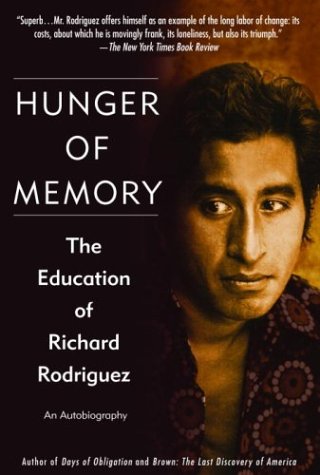
I enjoyed reading this book "Hunger of Memory". I thought that Richard Rodriguez was a very good and interesting author. I liked how he was honest and open about personal parts of his life, which helped me to connect to the book and to his experiences. It was sad how his family had fallen a part because they no longer shared the same cultural connection and frustrating that Rodriguez is not trying to make his relationship with his family better because he obviously saw the problem. His life was very interesting and it was neat to see the life of someone from another culture and how they were able to live in our culture.
I also did not like how the United States had the movement to bring more minorities into their colleges without being willing to teach them so that they could survive. I think that Rodriguez was right in wanting to fight it, but it was very surprising that he gave up everything he had worked for and having a job teaching at a University of his choice to fight this movement. It is awesome that he could stand up for what he thought was right to that extent!
In the last section of the book, Rodriguez talks about what it is like when his family gets together now. He also talks about the difference between written and spoken word.
I really enjoyed this part because his vocabulary made me feel as if I was at his parents home for their family dinners. It was very enjoyable to read because I could picture the things and conversations that were going on.
I thought it was interesting how Rodriguez says he is a different person in his writing than when he is speaking. He hopes that his siblings will be able to trust him after seeing this "other side of him" through his writing. When one of his aunts read a part of his autobiography she said that "it didn't seem like him". In other wards, as the reader we know about him, but we can not know the way that he speaks or holds himself and so we don't really "know" him. I thought that it was neat the way he explained this. *The thing, in this section, that frustrated me the most was the lack of closeness in his family. He explains a typical holiday at his parents house. The conversations are in English because their spouses speak only English. He shares that this is uncomfortable to his parents. They are quiet and seem sad. He shows how their family has grown a part with education and language barriers as well. The thing that annoys me about this is that he knows there is a communication problem and yet he doesn't try and fix it. His parents have had hard lives, but he doesn't make them feel close and loved. His father doesn't talk the whole holiday dinner and his mother seems lonely and sad. It is upsetting that he doesn't do something about it. Why can't he try to share more about his life and make them feel more loved and needed? I don't understand why he does not address the problems that he is seeing.
What I thought about the book!!!!!!!
I enjoyed reading this book "Hunger of Memory". I thought that Richard Rodriguez was a very good and interesting author. I liked how he was honest and open about personal parts of his life, which helped me to connect to the book and to his experiences. It was sad how his family had fallen a part because they no longer shared the same cultural connection and frustrating that Rodriguez is not trying to make his relationship with his family better because he obviously saw the problem. His life was very interesting and it was neat to see the life of someone from another culture and how they were able to live in our culture.
I also did not like how the United States had the movement to bring more minorities into their colleges without being willing to teach them so that they could survive. I think that Rodriguez was right in wanting to fight it, but it was very surprising that he gave up everything he had worked for and having a job teaching at a University of his choice to fight this movement. It is awesome that he could stand up for what he thought was right to that extent!
Monday, March 23, 2009
Masquarade (prompt 18, Ch 6.1)

 18. Discuss your book's title. Why is it called what the author chose? What would you call the book if you could choose a new title?
"Hunger of Memory" is the title of my Independent Reading book. The last section of the book is called "Mr. Secrets". In this Rodriguez explains what he felt when he was writing this book. I think that he picked this title because in his heart he wanted to remember his past. At one time he wouldn't have been able to write about his personal life. Rodriguez makes an example from when he was in 4th grade and his teacher told him to write about a night at home. He made up a story because he would have never thought of actually telling his family life. He also thought that it was weird when his friends told him stories about their "personal" life. It took a life time of experiences for him to actually write about his own "personal" life. It is possible that deep down inside he had been HUNGRY to
 share his personal feelings for a long time and was now finally going back in his life to pull out those MEMORIES that were special to him/made him who he is.
 Living in the United States since childhood aloud Rodriguez to adapt to the "American" way of life. His parents, on the other hand, had already been immersed in Mexican culture, and so they kept their Mexican customs. Because of this it was hard for his parents to comprehend that he was sharing their personal family life with "los gringos". His mother begs him to write about other things in the future when he wrote his first biography, "Please write about something else in the future. Do me this favor. Please." (178). Rodriguez decides, however, to write a book telling his life story. He is even sharing his parents opposition to this book in this book,
 which means that they were able to read it. I think this is very interesting and shows his willingness to "tell it like it is". The New York Times book review says that his writing was "movingly frank". He tells you all the details, even though that memory might have been very painful to him. I think if i could write another title it would be something like...The
 world behind the mask...or something like that because as a child he never told anyone things of his life. He was distant from both his family and the rest of the world. He hid in books and his studies instead of communicating with others. As an adult he is now taking off the mask and showing the world what was hidden there all along.
Friday, March 20, 2009
Affirmation Action!!??!?!?! (prompt 4, Ch 5.2 - 5.5)

4. Write about something that surprised you and explain why.
During the time when Rodriguez was in college and graduate school, the affirmation action* began to be pushed in Universities. Colleges now wanted "minority students" to be a part of their programs for "statistical purposes". There were both positives and negatives to this action. It did give minority students a better chance of getting into college, but that was only helpful for those who had had a good grammar and high school education. Those minority students without educations were overwhelmed. They could not compete with other students, which would make many feel like failures. Rodriguez notes on page 155 that 6 non white students that he knew suffered collapse. "The University officials who so diligently took note of those students in their self-serving totals of entering minority students finally took no note of them when they left." (155). All they were was a statistic. Very few teachers actually helped them to pass, they would just give them the grade so that they could graduate.
They should have made it easier for minority students to get into college WHEN they had the right education and should have worked to give younger students that education so that they could make it in Universities.

2. The second thing that surprised me was that Rodriguez got this
 great education and was now a teaching for year segments at Berkely and yet he decides to give it ALL up. Rodriguez had applied for teaching positions at many other different Universities and had gotten acceptances from many of them, including Yale. His friend, however, didn't get any big acceptances even though he had the same transcript. It was because of the affirmation action. They wanted more minority teachers and so Rodriguez was automatically picked because he had a great profile AND was a minority. Surprisingly Rodriguez turned all of the teaching positions, that he had worked so hard for, down because he decided that he was going to fight the affirmation action.
(Rodriguez did not like that he got all the breaks just because of his race or that others got breaks when they had not had the education or worked for them. He realized that it had good intentions, but really wasn't helping anyone. He didn't just want to be a statistic!)

This was surprising to me because I don't see how he would be able to fight the action without a high position. It seems weird that this man who worked so hard to succeed would give it all up.
When he told his parents, his father said that THEY had never had an opportunity like that before and Rodriguez said "No, his father never had any opportunity like that". Rodriguez had had plenty just because of when he was born and what his race were. It was mind boggling that he would get all these free scholarships and study abroad opportunities just because he was a minority.
*Affirmation Action-refers to policies that take gender, race, or ethnicity into account in an attempt to promote equal opportunity. The focus of such policies ranges from employment and education to public contracting and health programs. So more minorities would get the positions and those with the degrees who weren't minorities would have to work harder.
Here is Obama's opinion of the Affirmation action!!
Monday, March 16, 2009
Identity (prompt 16, Ch 4.3-5.2 p130-153)

 16. How IR relates to issues discussed in class.
 In 4.3-5.1 Rodriguez learns that it isn't bad that he has dark skin. Always as a child he was told to stay out of the sun, because
 it was important to stay light. As he was going into college things began to change. Because of different movements against racism, he was now a "minority" student. There were good things about this. Now people wanted him to do things. They would give him scholarships and opportunities so that they could have a percentage of minority students in their programs.
.....
 .........
 .........
 .....
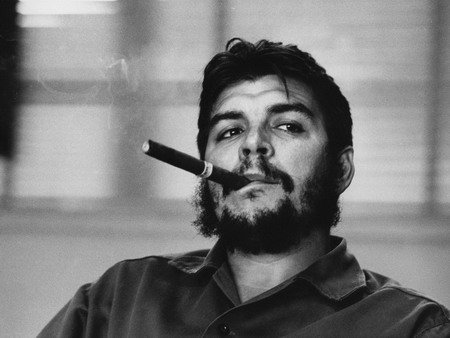
.....This can also relate to different parts in "The Motorcycle Diaries". When Che was in different cultures he noticed that the Natives were treated as objects. They did not speak very much Spanish because they had native languages. The other people pushed them around. They were used in labor and were not given the same rights. An example would be the woman who went to give her husband food in jail and the guard was pushing her around. Che and Alberto were angry to see the way a woman was being treated. They say here as a human being, but the man saw her as an inferior annoyance.

Saturday, March 14, 2009
Symbols and Complexion (prompt 2,Ch 4-1 & 2) (p113-130)

2. Tell about parts of the current chapter of the book that puzzled or confused you.
The forth section of the book is labeled "Complexion". As a child, Rodriguez had many feelings of insecurity because of his dark complexion. I thought that that was very interesting. The Mexicans in his family all wanted to be light. They were happy when their children had light complexions because "looks were important in the United States". Rodriguez spent much of his childhood trying to get rid of his dark complexion. He would cover up in the summer to keep from "tanning". One time he even shaved all the hair off of his arms hoping that it would take the darkness away with it.
I thought that this was very strange, because I think that his skin has a beautiful color and
 don't understand why he would be embarrassed by it. It seems like Mexicans should have darker skin because of the geographical area they were born. I guess this might be because so many Mexicans live around here that it seems normal...and that there isn't as much racial discrimination as then. Sometimes he would get teased for being "negro". His school friends, however, never teased him about it. The
 y were friends with him because of what he was on the inside. He would go over to their houses and marvel at all of the things that they owned (because many of his friends were rich. He lived in Santiago.) He would see a Mexican gardener at one friends house and turn away pretending not too see, but it just made him yearn for "a body", even though the one he had was just fine. As a teen he never had a girlfriend because he was embarrassed by the way he looked and had a hard time talking to girls. His oldest sister was also dark. She never mentioned anything to him as a child, but when she was a mother she told him that she was relieved that all her children were light.
I was really surprised by this because I thought that they would want to be dark and don't understand why being so was "feo" (ugly). He also talked about Mexican men. Traditionally a "real man" was "Feo (Ruggedly handsome), Fuerte ('strong', having inner strength and character), and Formal (steady, responsible, consistent)" (p128). He learned to be formal by listening to his parents. One part of this was being silent, but maybe a different kind of silent. At home he wa
 s silent, but when he was with others he talked a lot. He was always talking to teachers and others. He also kept his head in books because then he could hide from his insecurities and because he read a lot he was very good with words. He was more like his mother in this way and in writing this book is not formal; But "So be it" (p130). In time he was
 able to overcome many of his insecurities. I also don't always understand the way he "had to be a man". Why can't people just be who they are. From reading about him, he seems like an interesting person who didn't need to hide who he was and yet sometimes he was forced to do so. This frustrates me, while reading the book. I understand why he could have had some of these insecurities, but not exactly why they were there in the first place. Our culture is so silly, because like his mother said "In the United States complexion matter."
Thursday, March 12, 2009
Thesis???????????

 _
_ _
_
Wednesday, March 11, 2009
All the colors have been washed out. (#15, Ch 3-2,3) (p90-110)

15. Illustrate, through a picture or a symbol, an idea scene, or some part of a chapter or the book. Explain your choice.
The whole section, Credo, is about how the catholic religion played a role in the life of Richard Rodriguez. The dictionary definition of the word Credo is “a set of fundamental beliefs or a guiding principle", so this obviously had a big impact on his life. Their is another part to the meaning of the word when used in the Catholic Church. When he was a child the priest would say this Latin word "credo" at the beginning of the creed. "I believe", he was the only one who said it. The church did not repeat anything because it was all in Latin. The modern church has changed that. They now speak English and they translated the word to mean, "we believe". Rodriguez believes that the special meaning of the word was lost when the "I" was changed to "we".
When he was young, Catholicism was his life. He was immersed in his religion. The nuns were always teaching him about it and he was always going to mass during the school week. As he grew older, school talked less about Catholicism and started becoming "more protestant". When he was in college he barely knew anyone who was Catholic at all. Now going back to mass, Rodriguez see's that everything has changed. His misses the old way and doesn't like the way that he has been forced to change with it.
This picture represents something that was always deep, down inside of him. Even as a grown man he still remembers that he is "un catolic" and still goes to mass, but it no longer has the same happiness as before. He does not feel close to those around him like he did when he was a child. All the colors have been washed out.
My Do Now...


What historical things of Peru or experiences with its people influenced Che, his journey, and his ideas.
Monday, March 9, 2009
the student and religion (#8 ,Ch 2-3,4 & 3-1) (p65-90)
8. Write about the deeper message, theme, or lesson of the chapter/book.

Rodriguez describes his younger self as the "scholarship boy". When the Spanish language was "taken" from him, he no longer knew how to be intimate with his family and so he dug into his studies. Rodriguez did not just love to study; he was trying to hide from his problems because he didn't know how to fix them. This caused him to become more and more distant from his family. After he was out of school he realized that his studies had kept him from them for a time, but by becoming "educated" he could now get closer to them in a different way.
Later in his life, Rodriguez admits that he misses the time when he wasn't so lonely. He now wants more than just the books, the education; he needs the companionship as well. "I yearned for the time when I was not so alone" (71). Rodriguez learned, from his mistakes, that family was important too and that he still loved being with HIS family, just like that 5 year old, knowing only 50 words of English, had.
Section 3-1

He then begins to explain how religion affected his life. His parents had been devout "Catolicós". They told him that he was 'lucky' because God 'chose' him to be nurtured in the Catholic Church, but that non-Catholics somehow got to heaven as well. The masses of "los gringos" were a little different, but they shared a common religion with his family and so Rodriguez felt connected by it. As a child the nuns tried to keep him out of the "non-catholic" world, but he applied to public colleges anyway. "I would remain a Catholic, but a Catholic defined by a non-Catholic world" (80). Rodriguez was first "un catolic". He learned his first prayers in Spanish. As he grew older and went to public school he learned many things about this religion. He was always memorizing prayers and other important parts of his religion.
The way that he describes religion's connection with his life, when compared to the way he described his childhood before introducing religion, shows that religion had helped him cope to with the thin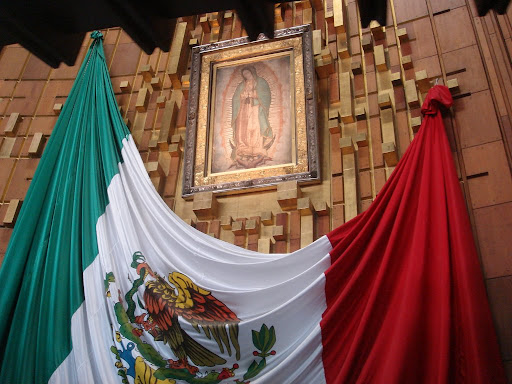 gs he was unfamiliar with. I think that religion is like that a lot of times. People follow it because it makes them feel as if someone cares. But, just as he said, it was a religion of rituals. It was all do this at this time and that at that time. It's a shame that sometimes we loose the big picture and forget that Jesus isn't just part of our religion, but that we can have a relationship with him. Religion was tightly intertwined with Richard's education and I think he learned a lot of moral values from it. It also kept him connected and helped him survive through the hard times of being "the different one". "I would cry in the void. ... If I should lose my faith in God, I would have no place to go to where I could feel myself a man." (108)
Rodriguez describes his younger self as the "scholarship boy". When the Spanish language was "taken" from him, he no longer knew how to be intimate with his family and so he dug into his studies. Rodriguez did not just love to study; he was trying to hide from his problems because he didn't know how to fix them. This caused him to become more and more distant from his family. After he was out of school he realized that his studies had kept him from them for a time, but by becoming "educated" he could now get closer to them in a different way.
Later in his life, Rodriguez admits that he misses the time when he wasn't so lonely. He now wants more than just the books, the education; he needs the companionship as well. "I yearned for the time when I was not so alone" (71). Rodriguez learned, from his mistakes, that family was important too and that he still loved being with HIS family, just like that 5 year old, knowing only 50 words of English, had.
Section 3-1
He then begins to explain how religion affected his life. His parents had been devout "Catolicós". They told him that he was 'lucky' because God 'chose' him to be nurtured in the Catholic Church, but that non-Catholics somehow got to heaven as well. The masses of "los gringos" were a little different, but they shared a common religion with his family and so Rodriguez felt connected by it. As a child the nuns tried to keep him out of the "non-catholic" world, but he applied to public colleges anyway. "I would remain a Catholic, but a Catholic defined by a non-Catholic world" (80). Rodriguez was first "un catolic". He learned his first prayers in Spanish. As he grew older and went to public school he learned many things about this religion. He was always memorizing prayers and other important parts of his religion.
The way that he describes religion's connection with his life, when compared to the way he described his childhood before introducing religion, shows that religion had helped him cope to with the thin
gs he was unfamiliar with. I think that religion is like that a lot of times. People follow it because it makes them feel as if someone cares. But, just as he said, it was a religion of rituals. It was all do this at this time and that at that time. It's a shame that sometimes we loose the big picture and forget that Jesus isn't just part of our religion, but that we can have a relationship with him. Religion was tightly intertwined with Richard's education and I think he learned a lot of moral values from it. It also kept him connected and helped him survive through the hard times of being "the different one". "I would cry in the void. ... If I should lose my faith in God, I would have no place to go to where I could feel myself a man." (108)Victory or Failure
Adventure


"Who do I want to become, and what impact do I want to have on the world around me?"

Looking at Che's earlier life, I think that at that time he wasn't sure what he wanted to become. It was clear that he wanted his life to be an adventure. I think that his original goals were changed by the things that he experienced. On his road trip, his eyes were open to the horrible poverty which many South Americans faced, which was REALLY upsetting to him. I think that one of his goals early on was to help the working people/ those in poverty to have a better life, which relates to his socialist views. He wanted to help those around him who were without hope. Che didn't like the rich and the dictators because they had so much, while others had nothing. He was angry that people were homeless in their own country.
When he went on this journey, Ernesto wanted to become a doctor so that he could help others the way that he had been helped with his asthma, as a child. After all of his experiences Ernesto came to the conclusion that he could not really help the world in this way. There would always be problems that he would be helpless in. Che was willing to fight for his values and decided that becoming a revolutionary would allow him solve some of these problems. Because of this he fought for Cuba's freedom in their revolution as well as in other things.
The perplexing part of this is that a doctor decided to kill others. Doctors promise only to "heal" others, so it seems as if he went against his values when he became a soldier. This brings into question whether or not his accomplishments were actually victories for him or not. In a way his being a part of concentration camps and all of his killing shows that he failed at his original goals.
He did some very good things in his life, but he still went against his doctors oath and killed. There are many different opinions of him, but really no way to actually decide if his life was a victory or a failure for him because he is not alive to explain whether or not he was proud of his life work.
Saturday, March 7, 2009
Books or family? (#13, ch 2 intro, 1 & 2 ) (p46-64)
13. Comment on the choices made by the characters or people in the book. What advice would you give them?

As Richard Rodriguez grew up, he became more and more interested in his schooling. At first he was angry with his parents for having forced him to learn English. He stopped talking to his family because he no longer felt connected as he had with Spanish." 'He (Rich) is enormously obedient to the dictates of the world of school, but emotionally still strongly wants to continue as part of the family circle' " (48). Rodriguez wanted to be connected to his family, but he did not know how to with the English language and so he began to study and read more and more.

Rodriguez started to feel embarrassed with his parent’s lack of education. They were helping him get the education that they had never had, but he didn't understand. He chose to be a bookworm and to hide in the pages instead of talking with his family. Rodriguez became very successful in school and received many rewards and scholarships. Richard Rodriguez was the youngest of 3 children, but the first who went to a distant college. His mother asked him why he wouldn't stay home, but he was determined to leave. His education had separated him from his family and his own life. "A primary reason for my success in the classroom was that I couldn't forget that schooli ng was changing me and separating me form the life I enjoyed before becoming a student" (45). When he came home for breaks and talked with his parents their conversations were more like interviews. "Silence! Instead of the flood of intimate sounds that had once flowed smoothly between us, there was this silence." (51) He was now a very successful adult, but had not yet figured out how to be intimate with his family or how to embrace his heritage.
If I could give him advice I would have told him how important it was for him to stay connected with his family. Yes, education is an important thing, but family is also very important. I think that if he had communicated with his family more, he would have been a happier boy. He would have also had people to share his troubles with, instead of keeping them all inside. I would have told his parents to keep their Spanish language alive. They needed to have him speak English, but not ALL the time. I think if they had been more persistent a
 bout having Rodriguez share with them as a child, he would have done so when he was older as well. I would have told Rodriguez that books were important for learning, but they weren't the most important part of life and he didn't have to read every single book before he spent time with others. I think if their family had stayed more connected and kept more of their Spanish language, they would have been happier and closer later on.
As Richard Rodriguez grew up, he became more and more interested in his schooling. At first he was angry with his parents for having forced him to learn English. He stopped talking to his family because he no longer felt connected as he had with Spanish." 'He (Rich) is enormously obedient to the dictates of the world of school, but emotionally still strongly wants to continue as part of the family circle' " (48). Rodriguez wanted to be connected to his family, but he did not know how to with the English language and so he began to study and read more and more.
Rodriguez started to feel embarrassed with his parent’s lack of education. They were helping him get the education that they had never had, but he didn't understand. He chose to be a bookworm and to hide in the pages instead of talking with his family. Rodriguez became very successful in school and received many rewards and scholarships. Richard Rodriguez was the youngest of 3 children, but the first who went to a distant college. His mother asked him why he wouldn't stay home, but he was determined to leave. His education had separated him from his family and his own life. "A primary reason for my success in the classroom was that I couldn't forget that schooli
ng was changing me and separating me form the life I enjoyed before becoming a student" (45). When he came home for breaks and talked with his parents their conversations were more like interviews. "Silence! Instead of the flood of intimate sounds that had once flowed smoothly between us, there was this silence." (51) He was now a very successful adult, but had not yet figured out how to be intimate with his family or how to embrace his heritage.If I could
give him advice I would have told him how important it was for him to stay connected with his family. Yes, education is an important thing, but family is also very important. I think that if he had communicated with his family more, he would have been a happier boy. He would have also had people to share his troubles with, instead of keeping them all inside. I would have told his parents to keep their Spanish language alive. They needed to have him speak English, but not ALL the time. I think if they had been more persistent about having Rodriguez share with them as a child, he would have done so when he was older as well. I would have told Rodriguez that books were important for learning, but they weren't the most important part of life and he didn't have to read every single book before he spent time with others. I think if their family had stayed more connected and kept more of their Spanish language, they would have been happier and closer later on.
Subscribe to:
Posts (Atom)